Health Blog
How You Can Stay Active in Your 50’s & 60’s: 3 Tips to Get You Moving

Growing older is filled with change and new challenges to be confronted. For many, these changes often involve coping with a decrease in athletic performance and abilities. However, just because you’re growing older doesn’t mean you still can’t enjoy an active lifestyle. If you are someone who is in their 50’s and 60’s, here are 3 tips to get you moving.
Find an Activity You Enjoy
One of the easiest ways that you can ensure that you remain active into your 50’s and 60’s is by finding an activity that you enjoy doing.
Read full blogDo You Have a Sedentary Job? How to Stay Healthy and Fit Throughout the Week
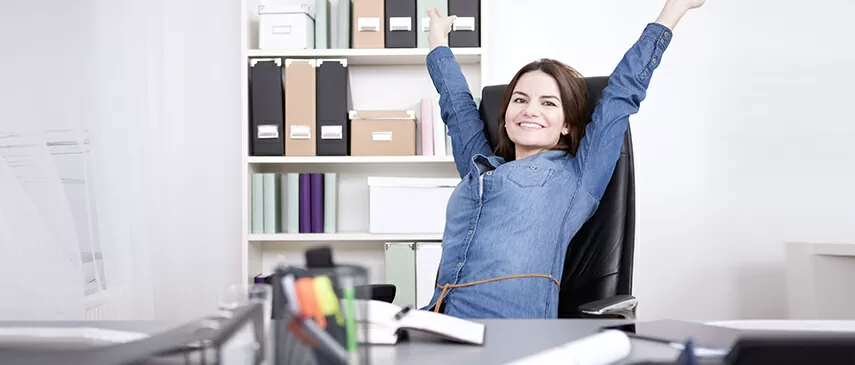
Do you find yourself sitting for the majority of the day? If you work at an office where you are confined to a cubicle, you may end up sitting for up to 10 hours a day. Not to mention going home and sitting on the couch after dinner. While it may not seem like too big of a deal, one hour of sitting reduces the production of fat-burning enzymes by as much as 90 percent.
Read full blogThe Best Sleeping Positions to Wake Up Pain-Free

When it comes to muscular, joint and bone pain, sleep may play an integral role. If you’re having trouble settling your body’s score with pain, you might want to consider a few pain-free sleeping positions. Depending upon your consistent morning ailments, a few positions might reduce pain—or strike it out, altogether. Take a look at the following sleeping positions experts believe reduce ongoing morning pain:
Sleeping On Your Back with a Pillow Under Your Legs
A lot of sleep studies suggest sleeping on your back, with a pillow situated beneath the crooks of your legs, can aid in maintaining your lower back curve.
Read full blogSitting is the New Smoking: How Physical Therapy Combats the Negative Effects of Inactivity

We all know that smoking is bad for your health for a variety of reasons, but did you realize that sitting can be every bit as dangerous to your long-term health? While many office workers strive long and hard to obtain a job that is “better” than damaging your body through strenuous hard labor, desk jobs may actually be worse for your body than being on your feet! Everything from obesity and metabolic syndrome to high blood sugar, abnormal cholesterol levels, and even cancer have been linked to an excess of time spent on our rumps.
Read full blog5 Steps to Your Fastest Run Time/Marathon

If you’re a competitive runner, you know that every second counts when it comes to your run times. Trying to shave extra seconds off of your last time can be a challenge. You might try to add complex training to your workouts, or push yourself past your comfort level in order to improve. Unfortunately, this might not result in any gain to your time. Even worse, it could put you at risk for an injury. Before stepping up your training, consider going back to the basics. A solid foundation is the key to success, and you might have missed some fundamentals that could be hurting your performance.
Read full blogTop 5 Most Common Sports Injuries
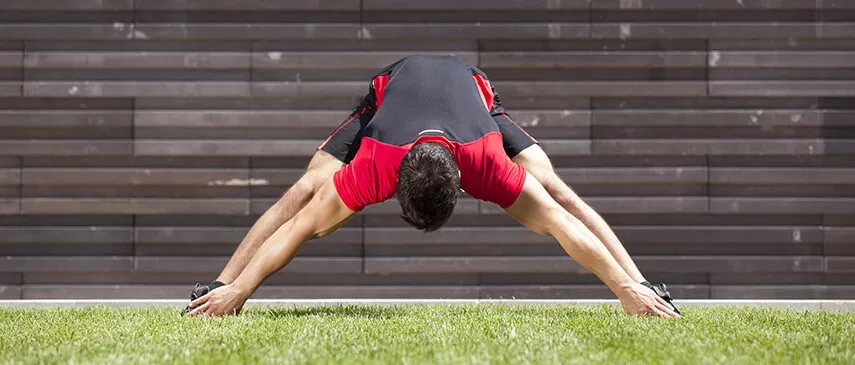
For most of us, an active lifestyle serves as more than merely obligatory workouts to keep the pounds off and the heart healthy. It’s more about self-challenging discipline that also serves up social and mental therapy. Balancing work, especially the inactive office type, with enjoyable physical movement provides the key to anticipating tomorrow rather than dreading it. Until, that is, we feel that tell-tale blast of pain that indicates we probably went just a little too far this time.
Read full blogDon’t let TMJ Ruin Your Day! Get the Help You Deserve

Hearing and feeling your jaw click isn’t comforting. On the contrary, it can be downright painful. Yet it is a constant reality for over 10 million Americans, who suffer with temporomandibular joint and muscle disorders (TMJ).
TMJ is marked by chronic jaw pain, difficulty chewing, and clicking and locking of the jaw. Many people with the disorder also experience frequent headaches, pain in their face or mouth, joint crackling, and muscle spasms.
The temporomandibular joint is a hinge that attaches the jaw to the temporal bones of the skull, which are located in front of the ears.
Read full blogScoliosis: Causes, Symptoms and Treatments

Scoliosis, or curvature of the spine, often occurs when children are just entering puberty, which is a stressful enough time without also having to deal with a physical limitation. The cause is not always known, although rarer forms are connected to injury, muscular dystrophy, or cerebral palsy. Yet through a range of treatments, including physical therapy, scoliosis does not have to be disabling — or even noticeable.
What are warning signs of scoliosis?
Read full blogWhy physical therapy is important after you have surgery
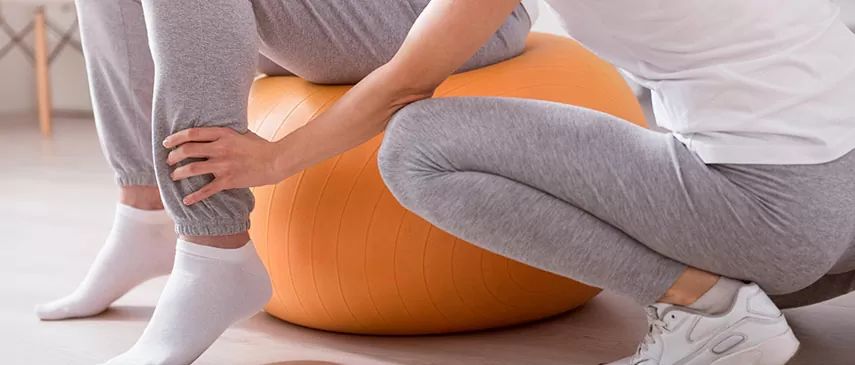
In the weeks leading up to surgery, the most feared words after “anesthesia” and “hospital” are “physical therapy.” For many people, the anticipation of any pain that goes along with physical therapy is enough to keep them from stepping foot into a PT’s office after surgery. In reality, the only way back to full recovery after surgery is through a physical therapist.
Physical Therapy Aids Healing
Like it or not, physical therapy is vital to the healing process.
Read full blogFour at home exercises to stretch out your hip flexors
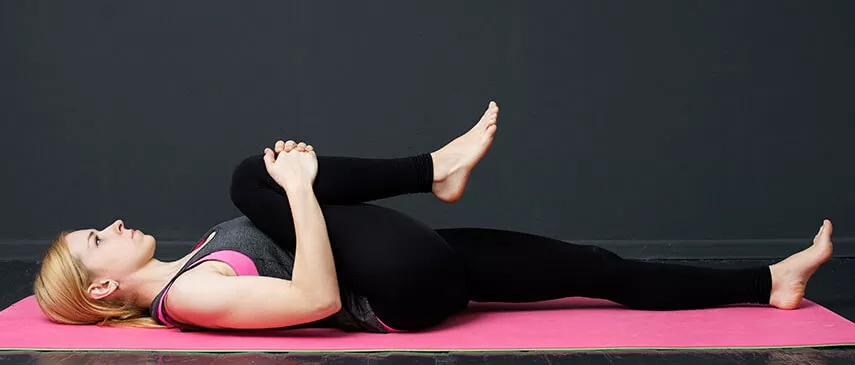
There are few things more painful than hip flexors that stop working the way they should. Ranging from a dull ache to stabbing pains in the pelvis or groin area, problems with hip flexors can stem from overuse, underuse, improper use, and a lack of good stretching habits. Fortunately, there are four at-home exercises that are designed to stretch out these muscles and offer relief from pain or discomfort.
- One Knee Up
Kneel on the floor on one knee with the other foot planted on the floor.
Read full blog