Health Blog
Reduce Pain and Inflammation Through Nutrition
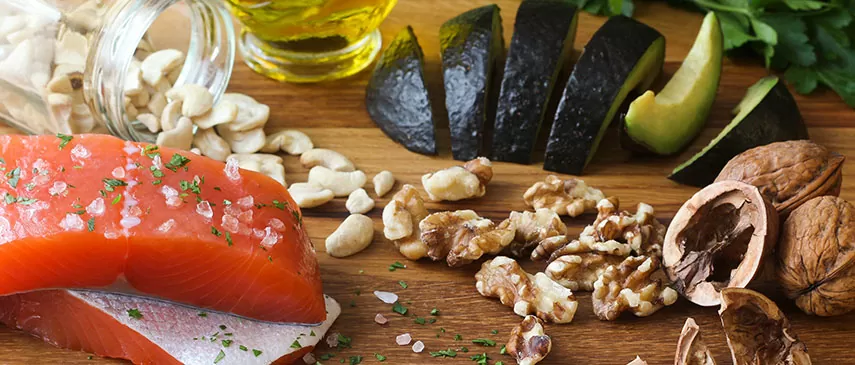
Internal inflammation can wreak havoc with your health. You may already be seeing a physical therapist for inflammation-related health issues, such as arthritis. Whether you have a specific diagnosis or generalized pain in your back and joints, Nebraska Orthopaedic Physical Therapy Fremont & Elkhorn, NE can help. Your physical therapist may also suggest an anti-inflammatory diet for additional pain relief.
What to Avoid
One of the quickest way to reverse nutrition-based inflammation is to stop eating the foods most associated with it.
Read full blogTension Headaches: How to Handle Them

Of the four distinct types of headaches — tension, migraine, sinus and cluster — the tension type is the most common. Of course, stress is a natural reaction to stimuli and can keep us safe from danger. Yet an excessive amount of stress can lead to tension headaches. That’s why learning how to handle emotional and physical stress can help reduce the severity and frequency of tension headaches.
If you’re concerned about your headaches, contact us — and read on, for some helpful tips about coping with tension headaches.
Read full blogThe Unexpected Benefits of Stretching

Many non-athletes — and even a few actual jocks — are guilty of either rushing through their warm-up stretching, or skipping the cool-down moves after the workout. Yet, along with cardio and strength-training, stretching also delivers significant health benefits.
You probably already know that stretching extends your overall range of motion, while also elasticizing your muscles and enhancing coordination. But those improvements, in turn, bring about other health benefits. We can discuss more of these during your visit, but in the meantime here are some of the frequently-overlooked benefits of stretching.
Read full blogHow Staying Active at Work Can Increase Productivity

Picture yourself at work. Hunched over a keyboard, clicking away on a mouse, answering the phone, or having meetings, the most moving around you are likely to do is to and from the copy machine. It is no surprise that our sedentary jobs are causing fatigue and stiffness, both mentally and physically. Fortunately, having a desk job doesn’t exclude you from experiencing more physical activity at work. Give these activities a try and you are sure to find out you feel better physically and experience higher productivity.
Read full blogTips to Treat Your Arthritis Pain

If you are like the one in four American adults who suffer from arthritis symptoms, you are looking for options for managing the day-to-day aches and pains and often debilitating loss of mobility. Fortunately, there are many things you can do that, when combined with physical therapy, can improve your strength, increase your flexibility and help you manage your arthritis symptoms. While these tips are helpful, they work best when paired with professional treatment, call us today to learn how we can help you live pain-free!
Read full blogStill hurting? Your Diet Could Be Why

What you put in your mouth can make your aches and pains worse. Like they say, “You are what you eat.” There are many foods that can cause inflammation and actually result in pain. Eating a healthier diet can help you feel better, without those nagging aches and pains.
Foods To Say “No” To
While it may be difficult to resist sodas, chocolate bars, pastries, and desserts, it’s smart to just say no.
Read full blogWithout Intervention, Your Lower Back Pain Could Be Here to Stay
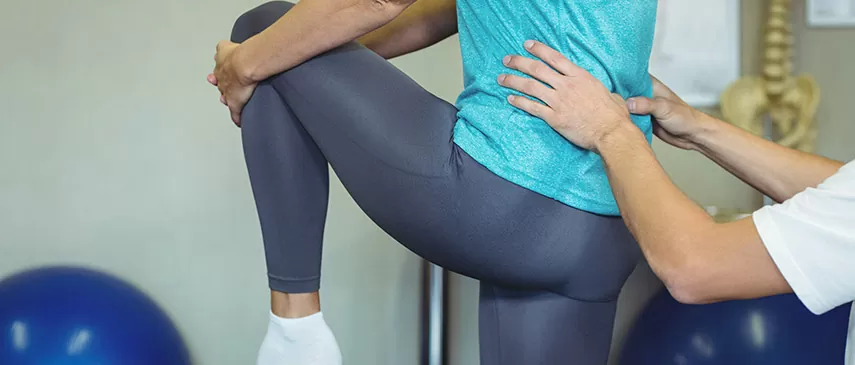
Ask any physical therapist, and you’ll get confirmation that lower back pain is the most frequent complaint they’re asked to treat. Often, back strain goes away on its own, especially with the classic “RICE” treatment. But when rest, ice, compression, and elevation just can’t cut the pain, physical therapy is often your most reliable path back to a pain-free life.
Where Does LBP Come From — and What Can Prevent it?
Among the most common causes of lower back pain (LBP) is an improperly aligned spine, stemming from incorrect posture.
Read full blogDon’t Join the Opioid Epidemic! Why PT is a Much Safer Course

No one wants to live a life in pain, but prescription opioids aren’t always the best choice. Painkillers like Percocet, Vicodin and OxyContin certainly come with risks. Opioid risks include withdrawal symptoms, addiction, depression and overdose. And today, the use of opioids is epidemic. Physical therapy is a safer alternative without the risks and side effects associated with taking opioids.
The Centers for Disease Control and Prevention (CDC) recognizes that prescription opioid are appropriate in some cases, such as end-of-life care and cancer treatment but recommends nonopioid treatment for other types of pain, including physical therapy.
Read full blogHow Physical Therapy Can Help Relieve Headaches
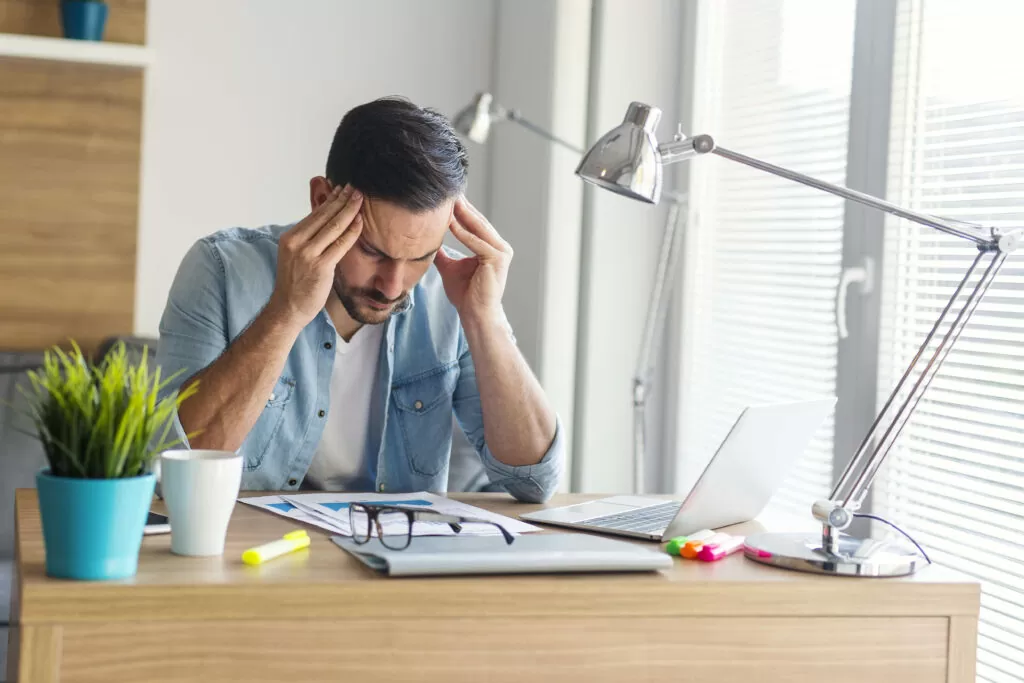
Some people mistakenly believe that “tension headache” refers literally to pain caused by emotional stress. In fact, the term refers to the muscle tension or spasms, at the back of the head that leads to head pain. Yet although feeling tense can certainly lead to muscle spasms, other issues — such as poor posture, injury, or arthritis — are also common culprits.
Are You a Good Candidate for Physical Therapy to Reduce Headaches?
Read full blogThe Undeniable Link Between Nutrition and Pain
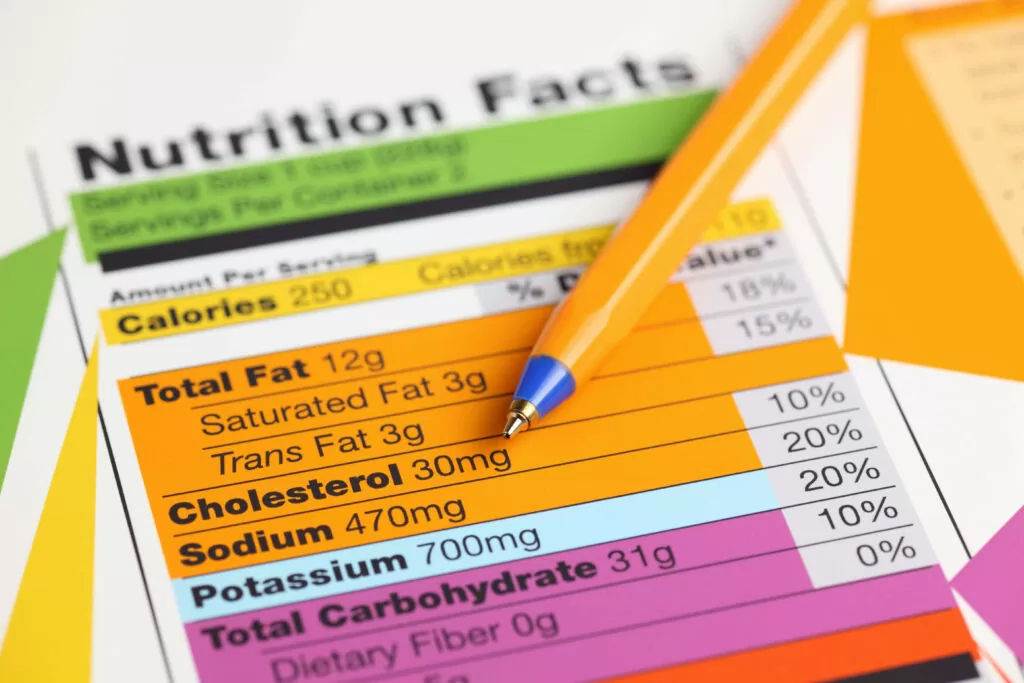
Every day, we learn more about the key role that proper nutrition plays in decreasing pain. Of course, the opposite is also true — poor dietary habits can lead to, or worsen chronic pain.
It’s not unusual for physical therapists to walk their patients through their lifestyle habits in order to pinpoint habits that might be contributing to their chronic pain. For that reason, helping a patient examine his or her diet is often part of an initial physical therapy evaluation, when appropriate.
Read full blog