Health Blog
Why Physical Therapy is Critical Following a Joint Replacement Surgery
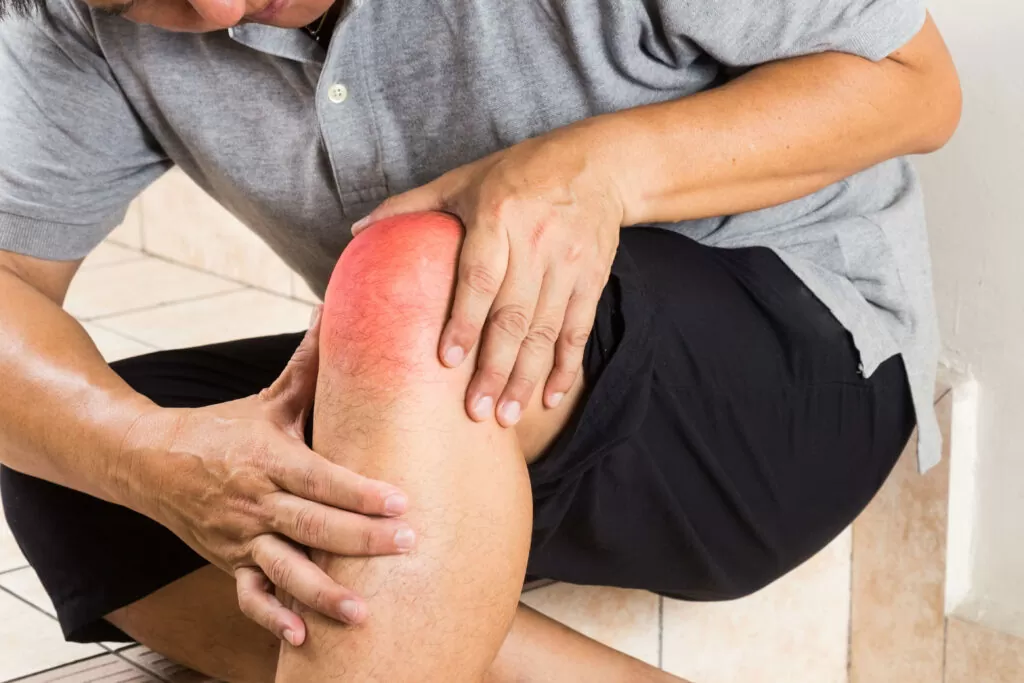
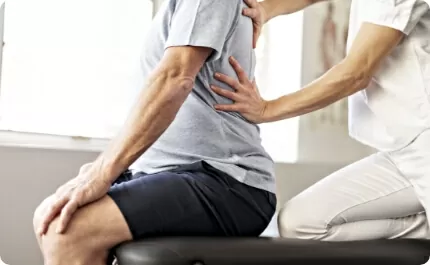
The intricacies of joint replacement surgery can vary greatly, depending on whether the replacement involved a knee, wrist, shoulder, ankle, or hip. Yet the post-surgical recovery period for all of these procedures is remarkably similar. The most important element? Working those new joints correctly, with the help of a physical therapist.
Reducing Swelling
Before you even leave the hospital, you’re likely to be treated by a physical therapist. That’s because it’s crucial to the healing process to keep inflammation down.
Read full blogHow Physical Therapy Can Help Your Achilles Tendonitis

What is Achilles Tendonitis?
The Achilles tendon is the largest tendon in the human body. This tendon joins the calf muscles to the heel bone and travels down the back of the lower leg. If it’s put under strain, it can get inflamed. This is known as Achilles tendonitis . If it’s left untreated, the Achilles tendon can become ruptured or even torn.
Causes and Types of Achilles Tendonitis
The causes of Achilles tendonitis include:
- Running on uneven or hard surfaces
- Wearing improper shoes when exercising or running
- Introducing stair climbing to an exercise routine
- Increasing the intensity of an exercise too soon
- An injured calf muscle
- Not warming up properly before an exercise routine
- Sudden intense physical activity
The types of Achilles tendonitis are non-insertional and insertional.
Read full blogUp Your Calcium Intake for Stronger Bones and for PT Support

As your physical therapist may have told you, osteoporosis and osteoarthritis are often more interconnected than you might have thought. As cartilage deteriorates, the adjoining bone can become affected as well. This makes calcium more important than ever to support bone health for those suffering from deteriorating surrounding joints.
Why Calcium Matters
To prevent injuries and pain associated with overuse and with aging, strong bones are crucial. Calcium is the number one nutrient that helps preventing thinning bones.
Read full blogPlantar Fasciitis: Causes, Symptoms and Treatment Plan
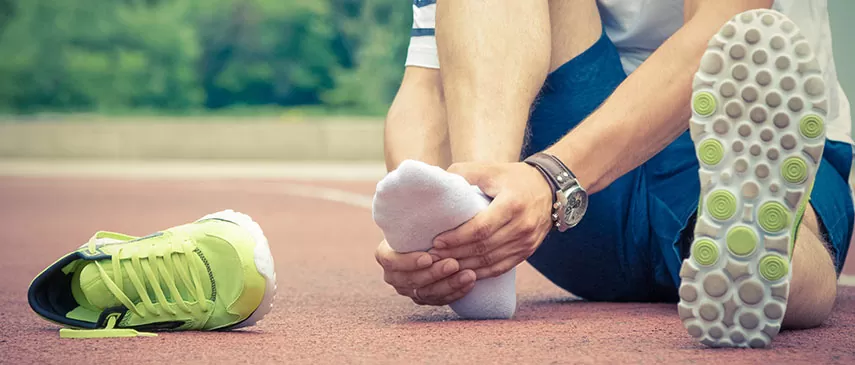
Some people wait longer than they need to when it comes to getting help for lower foot pain. Yet physical therapy can not only ease the immediate pain of plantar fasciitis but improve the condition itself.
What is Plantar Fasciitis?
Because the plantar fascia runs from the ball of your foot to the heel and is fairly wide, this band of tissues may cause pain throughout much of the lower foot, or it can happen in specific areas.
Read full blogMassage Away Your Pain with Massage Therapy
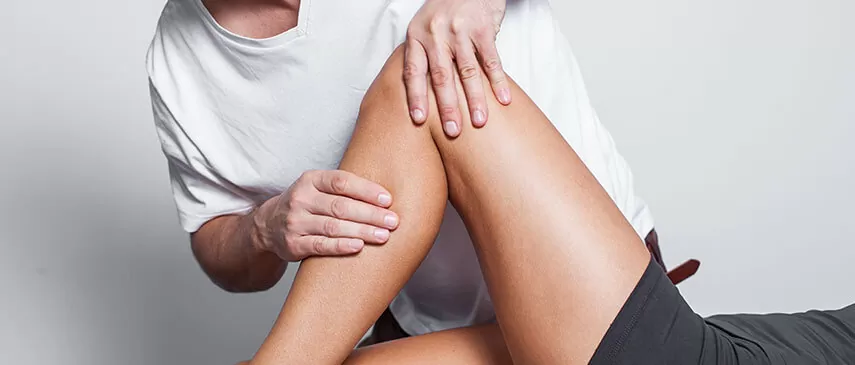
Once considered a luxury that only the rich and pampered could afford — or justify as treatment — massage is now considered an integral part of many physical therapy programs. With a variety of massage techniques to address a range of health problems, the respected practice has been proven to help significantly reduce temporary or chronic pain.
For patients needing immediate pain relief, or who are seeking to avoid drug or surgical therapies for ongoing pain and discomfort, talking to a physical therapist about using massage for some or all of their treatment plans is the ultimate “feel good” move.
Read full blogHow PT Can Reduce the Need for Opioids

With unintentional drug overdoses on a sharp increase within the U.S., more medical professionals are seeking treatment options that don’t carry the risk of painkiller addiction. Certainly, reducing pain through opioids can be a legitimate treatment. Yet mushrooming addiction rates make it obvious that methods such as physical therapy can often be a better first-line treatment than opioids, without the long-term consequence of drug addiction.
When is Physical Therapy Right for You?
It’s never too late to discontinue long-term opioid use (under your doctor’s supervision) in favor of physical therapy.
Read full blogFall Prevention Tips for the Elderly
Physical therapy is too often seen as a “last chance” to help prevent further falls, especially for older patients who have already had a few close calls. Yet physical therapists do so much more than guide patients through helpful balance-enhancing movements — as crucial as those are. These professionals, can also be counted on to help patients assess their lifestyles in order to remove as many fall risks as possible.
Medical Checkups are Crucial
Seniors should never skip annual eye exams, because changes may have happened gradually that they didn’t notice, but which are affecting their perception of light, distance and depth.
Read full blogExercise and Osteoarthritis

A diagnosis of osteoarthritis in your hips, knees or other joints may seem like the perfect “excuse” to dodge workouts. Yet it’s more important than ever to keep your heart healthy and immune system strong, while also learning moves that improve your flexibility and strength.
In fact, building up your muscles through physical therapy and other exercise is one of the key ways you can relieve pressure on your joints — and potentially slow the progression of OA.
Read full blogAttention golfers and tennis players. Be sure to use these tips and tricks to avoid pain post-game.

These tips and tricks can help you avoid post-game pain.
- Hydrate, hydrate, hydrate
Many athletes tend to hydrate well before a game or match, but often neglect their hydration after exercise. Water regulates body temperature and lubricates the joints, allowing the body to flush out any pesky toxins and aid it in restoring muscle tissue. After you exercise, your goal is to fully replace your fluid and electrolyte loss.
Read full blogHow Physical Therapy Can Correct Muscle Imbalances

Many people still believe that physical therapy is only needed for rehabilitation after injury, accidents, or surgery. In reality, almost everyone can benefit from physical therapy to prevent minor recurring aches and pains or subtle losses of flexibility from becoming debilitating health issues. Physical therapists can help because many of our aches and pains are caused by muscle imbalances. This is true whether we are couch potatoes, dedicated fitness enthusiasts or athletes.
Read full blog