Health Blog Category: Physical Therapy
Relieve You Hip and Knee Pain For Good with Physical Therapy!

Both the hips and knees are areas in the body where several muscles, tendons, and joints are joined together to help you achieve complex movement. If there is damage and subsequent pain in these areas, it can be difficult to perform daily activities. There are several specific ways that physical therapy can help relieve hip and knee pain. Call Nebraska Orthopaedic Physical Therapy to find out how a trained physical therapist can help you relieve the pain in your hips and knees!
Read full blog5 Ways Physical Therapy can Put the Spring Back in Your Step!

Do you currently have an acute or chronic pain condition affecting your daily life? Maybe you’re struggling with back pain, a sports injury or impairments following an auto accident. Perhaps you have someone in your family who is experiencing pain and dysfunction. Whatever you or your loved ones are facing, we encourage you to contact Nebraska Orthopaedic Physical Therapy to schedule an appointment with a physical therapist.
Our physical therapists are experts in human movement and employ a wide range of drug-free, non-invasive techniques that benefit our patients in many ways — far beyond “just” symptom management.
Read full blogDon’t Join the Opioid Epidemic! Why PT is a Much Safer Course

No one wants to live a life in pain, but prescription opioids aren’t always the best choice. Painkillers like Percocet, Vicodin and OxyContin certainly come with risks. Opioid risks include withdrawal symptoms, addiction, depression and overdose. And today, the use of opioids is epidemic. Physical therapy is a safer alternative without the risks and side effects associated with taking opioids.
The Centers for Disease Control and Prevention (CDC) recognizes that prescription opioid are appropriate in some cases, such as end-of-life care and cancer treatment but recommends nonopioid treatment for other types of pain, including physical therapy.
Read full blogWhy Physical Therapy is Critical Following a Joint Replacement Surgery
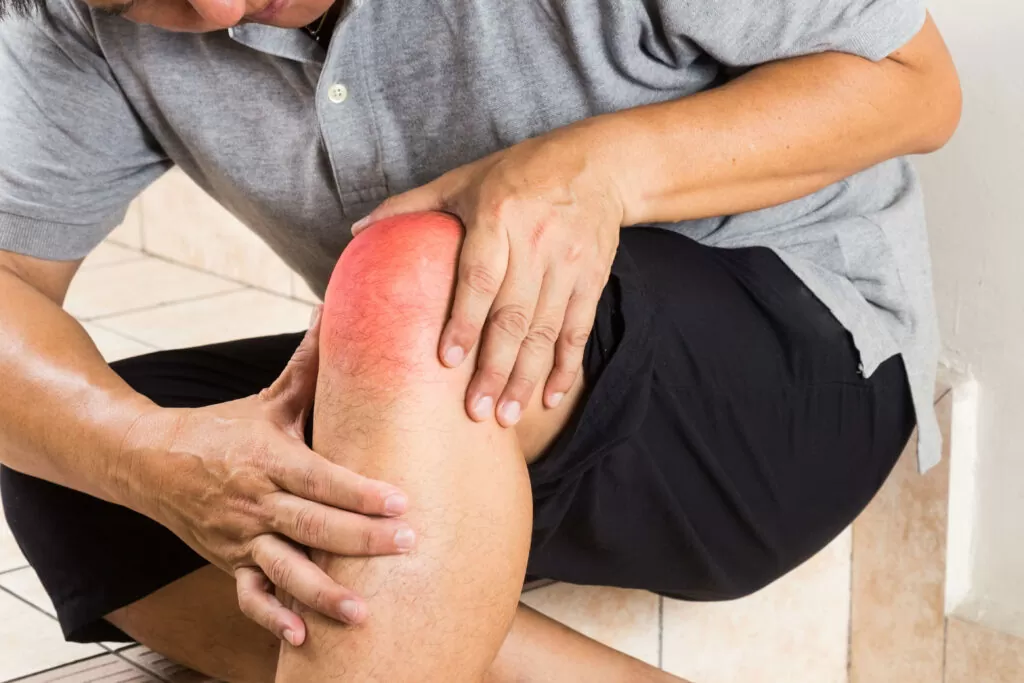
The intricacies of joint replacement surgery can vary greatly, depending on whether the replacement involved a knee, wrist, shoulder, ankle, or hip. Yet the post-surgical recovery period for all of these procedures is remarkably similar. The most important element? Working those new joints correctly, with the help of a physical therapist.
Reducing Swelling
Before you even leave the hospital, you’re likely to be treated by a physical therapist. That’s because it’s crucial to the healing process to keep inflammation down.
Read full blogHow Physical Therapy Can Help Your Achilles Tendonitis

What is Achilles Tendonitis?
The Achilles tendon is the largest tendon in the human body. This tendon joins the calf muscles to the heel bone and travels down the back of the lower leg. If it’s put under strain, it can get inflamed. This is known as Achilles tendonitis . If it’s left untreated, the Achilles tendon can become ruptured or even torn.
Causes and Types of Achilles Tendonitis
The causes of Achilles tendonitis include:
- Running on uneven or hard surfaces
- Wearing improper shoes when exercising or running
- Introducing stair climbing to an exercise routine
- Increasing the intensity of an exercise too soon
- An injured calf muscle
- Not warming up properly before an exercise routine
- Sudden intense physical activity
The types of Achilles tendonitis are non-insertional and insertional.
Read full blogUp Your Calcium Intake for Stronger Bones and for PT Support

As your physical therapist may have told you, osteoporosis and osteoarthritis are often more interconnected than you might have thought. As cartilage deteriorates, the adjoining bone can become affected as well. This makes calcium more important than ever to support bone health for those suffering from deteriorating surrounding joints.
Why Calcium Matters
To prevent injuries and pain associated with overuse and with aging, strong bones are crucial. Calcium is the number one nutrient that helps preventing thinning bones.
Read full blogMassage Away Your Pain with Massage Therapy
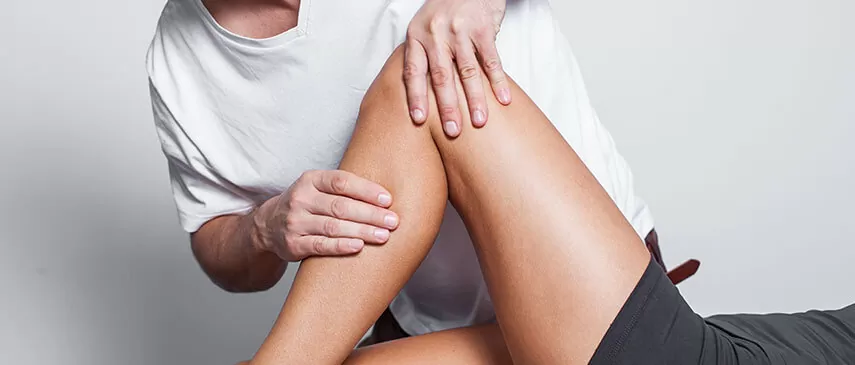
Once considered a luxury that only the rich and pampered could afford — or justify as treatment — massage is now considered an integral part of many physical therapy programs. With a variety of massage techniques to address a range of health problems, the respected practice has been proven to help significantly reduce temporary or chronic pain.
For patients needing immediate pain relief, or who are seeking to avoid drug or surgical therapies for ongoing pain and discomfort, talking to a physical therapist about using massage for some or all of their treatment plans is the ultimate “feel good” move.
Read full blogHow PT Can Reduce the Need for Opioids

With unintentional drug overdoses on a sharp increase within the U.S., more medical professionals are seeking treatment options that don’t carry the risk of painkiller addiction. Certainly, reducing pain through opioids can be a legitimate treatment. Yet mushrooming addiction rates make it obvious that methods such as physical therapy can often be a better first-line treatment than opioids, without the long-term consequence of drug addiction.
When is Physical Therapy Right for You?
It’s never too late to discontinue long-term opioid use (under your doctor’s supervision) in favor of physical therapy.
Read full blogHow Physical Therapy Can Correct Muscle Imbalances

Many people still believe that physical therapy is only needed for rehabilitation after injury, accidents, or surgery. In reality, almost everyone can benefit from physical therapy to prevent minor recurring aches and pains or subtle losses of flexibility from becoming debilitating health issues. Physical therapists can help because many of our aches and pains are caused by muscle imbalances. This is true whether we are couch potatoes, dedicated fitness enthusiasts or athletes.
Read full blogSitting is the New Smoking: How Physical Therapy Combats the Negative Effects of Inactivity

We all know that smoking is bad for your health for a variety of reasons, but did you realize that sitting can be every bit as dangerous to your long-term health? While many office workers strive long and hard to obtain a job that is “better” than damaging your body through strenuous hard labor, desk jobs may actually be worse for your body than being on your feet! Everything from obesity and metabolic syndrome to high blood sugar, abnormal cholesterol levels, and even cancer have been linked to an excess of time spent on our rumps.
Read full blog