
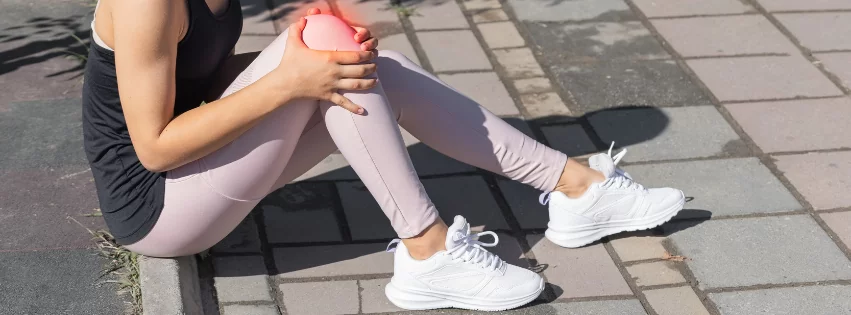
Youth sports offer tremendous benefits—confidence, teamwork, discipline, and lifelong movement habits. As young athletes grow, specialize, and train more consistently, their bodies are adapting to new physical demands. Overuse and repetitive injuries are common byproducts of that growth and activity, and physical therapy can play an important role in helping young athletes continue to participate safely and confidently in the sports they enjoy.
At our private practice, we specialize in working with youth athletes and their families. Our approach centers on education, independence, and confidence.
Understanding Overuse and Repetitive Injuries in Youth Sports
Unlike a single incident or collision, overuse and repetitive stress develop gradually. These issues are often associated with repeated movements, sport-specific demands, growth spurts, and limited recovery time. Young athletes may participate on multiple teams, play year-round, or train intensely during competitive seasons, all while their bodies are still developing.
Physical therapy offers a structured, age-appropriate way to support movement quality, balance activity levels, and promote long-term athletic development—without removing the joy of sport.
How Physical Therapy Supports Young Athletes
Physical therapy for youth athletes goes beyond exercises. It is a collaborative process focused on helping athletes move well, understand their bodies, and build skills they can carry into practices, games, and daily life.
Key areas of focus often include:
- Movement awareness: Helping athletes recognize efficient movement patterns and body positioning during sport and everyday activities.
- Strength and control: Supporting balanced strength, coordination, and control that align with an athlete’s sport and stage of development.
- Flexibility and mobility: Encouraging appropriate range of motion to support performance and comfort during repeated activity.
- Activity education: Teaching athletes how to listen to their bodies, recognize early signs of fatigue, and value recovery as part of training.
Our experienced therapists tailor sessions to each athlete’s sport, age, and goals while keeping communication clear and family-friendly.
Building Confidence, Independence, and Education
One of the most important outcomes of physical therapy for youth athletes is confidence—both for the athlete and for parents.
We believe young athletes benefit when they are active participants in their care. Sessions emphasize education in language they can understand, helping them learn why certain movements matter and how to apply what they learn outside the clinic. This builds independence and encourages athletes to take ownership of their movement habits.
Parents are kept informed throughout the process. We prioritize transparency, clear explanations, and open dialogue so families feel comfortable, informed, and supported.
A Parent-Centered Approach You Can Trust
Parents want to know their child is in capable, experienced hands. Our therapists specialize in working with youth athletes and understand the physical, emotional, and scheduling realities families face. We focus on age-appropriate progression, positive reinforcement, and long-term athletic health—not quick fixes.
Our goal is to support your child’s participation in sport while helping them develop skills that benefit them beyond the season.
Convenient Care for Busy Families
We recognize that families juggle school, practices, games, and work schedules. That is why we offer convenient appointment options, including before- and after-school visits. Easy access allows athletes to receive consistent care without missing school or falling behind on responsibilities.
Private practice care also means shorter wait times, flexible scheduling, and one-on-one attention—creating a more personalized and efficient experience for both athletes and parents.
Supporting the Big Picture of Youth Athletics
Physical therapy can be a valuable resource for youth athletes navigating the demands of repetitive activity and sport participation. By focusing on movement quality, education, and confidence, physical therapy helps athletes stay engaged in the sports they love while developing habits that support long-term physical well-being.
If you are a parent of a young athlete and want to learn more about how physical therapy can support healthy movement and athletic development, our team is here to help—before school, after school, and every step in between.