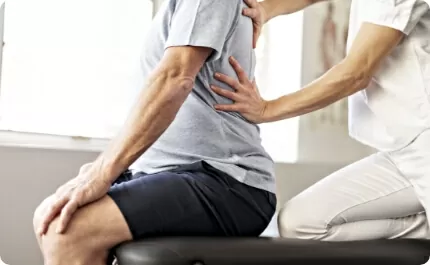
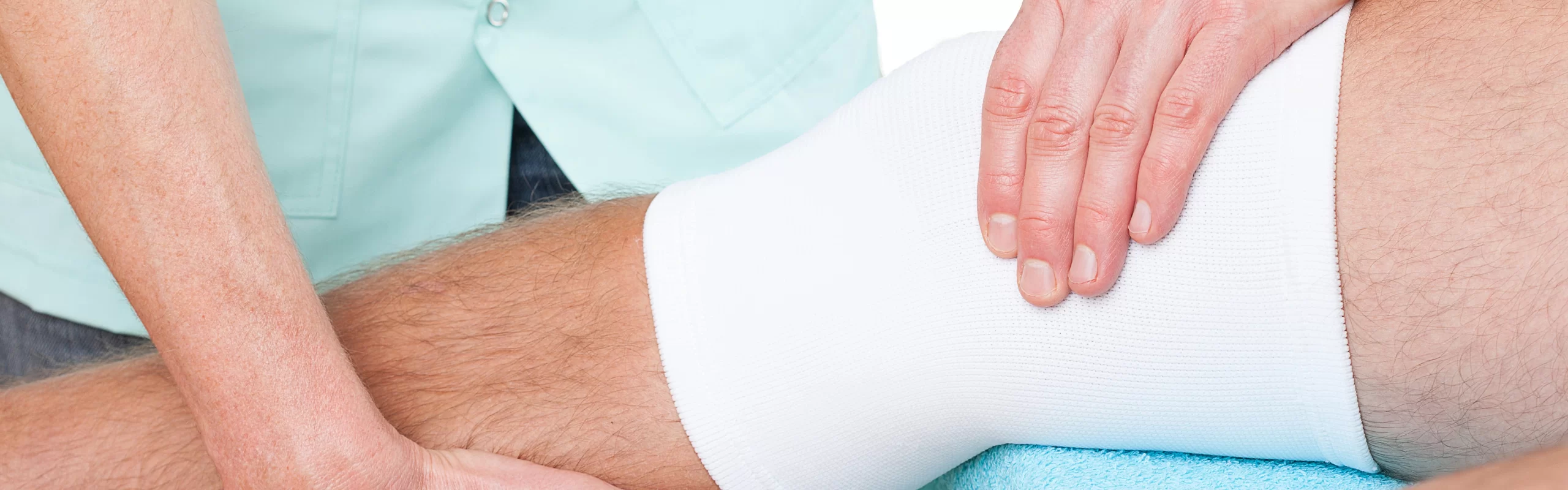
If you’ve recently had surgery—or are preparing for one—you may be wondering, “Do I really need physical therapy afterward?”
The short answer: yes. Physical therapy is one of the most important steps in the recovery process. It helps reduce pain, restore strength, and get you back to normal daily activities faster and safer.
At Nebraska Orthopaedic Physical Therapy in Fremont, NE, we work with surgical patients to help them rebuild mobility, prevent complications, and return to work, home life, and hobbies with confidence.
1. Helps Reduce Pain and Swelling
After surgery, it’s common to experience inflammation, tightness, and soreness.
Physical therapy helps you heal faster by:
- Improving blood flow
- Reducing swelling
- Restoring joint movement
- Strengthening nearby muscles
Many patients even reduce or eliminate their need for pain medication as therapy progresses.
2. Prevents Scar Tissue and Stiffness
Surgery can cause muscles and joints to stiffen, which affects your movement long-term.
Without rehabilitation, scar tissue can build up and limit your mobility.
Physical therapy keeps tissues flexible and promotes proper healing, so you regain full movement and avoid long-term complications.
3. Rebuilds Strength and Stability
During recovery, muscles around the injured area can weaken quickly.
Your therapist will create a safe, personalized strengthening plan that helps you:
- Improve balance
- Protect the surgical site
- Safely return to normal activity
- Reduce risk of re-injury
For joint surgeries—like knee, hip, spine, or shoulder—this strength training is essential for full recovery.
4. Restores Normal Movement and Mobility
Physical therapy helps you relearn everyday movements such as:
- Walking
- Bending
- Lifting
- Climbing stairs
- Reaching overhead
The goal is not just to heal, but to function better than you did before surgery.
5. Helps You Return to Work, Sports, and Daily Life
Whether you just want to get around the house comfortably or return to a physically demanding job, a structured therapy program helps you get there safely and faster.
At Nebraska Orthopaedic PT, we tailor programs based on:
- Your type of surgery
- Your daily tasks and lifestyle
- Work or sports demands
- Your personal recovery goals
6. Prevents Re-Injury
Healing does not mean the body is fully ready for normal stress.
Therapy teaches proper movement mechanics and muscle support so you don’t reinjure the same area or develop new problems from compensation.
Physical Therapy After Common Surgeries We Treat
- Total knee replacement
- Total hip replacement
- Shoulder surgery (rotator cuff repair, labrum, etc.)
- ACL and ligament reconstruction
- Spine surgery
- Hand, wrist, and elbow procedures
- Foot and ankle surgery
If it moves, we can help rehab it!
FAQ: Physical Therapy After Surgery
How soon after surgery should I start PT?
Your surgeon will recommend a timeline, but many patients start within a few days to a couple of weeks. Early therapy helps prevent stiffness and speeds healing.
How long will I need therapy?
It depends on the surgery and progress, but most patients come 2–3 times per week for several weeks. Your therapist will update your plan as you improve.
Will physical therapy be painful?
Some discomfort is normal, but therapy should never worsen your pain. We work gently and safely to help you heal at the right pace.
Do I need a referral?
Many insurance plans require a referral, but not all. Call our Fremont clinic and we’ll help verify your benefits.
Can therapy help if I had surgery months ago?
Absolutely. Even old stiffness, weakness, or scar tissue can improve with the right rehab plan.
Ready to Recover Stronger?
📞 Contact us today to schedule your evaluation.
✅ Personalized recovery plans
✅ One-on-one care
✅ Faster, safer return to daily life
Let us help you get back to moving, working, and feeling your best.