
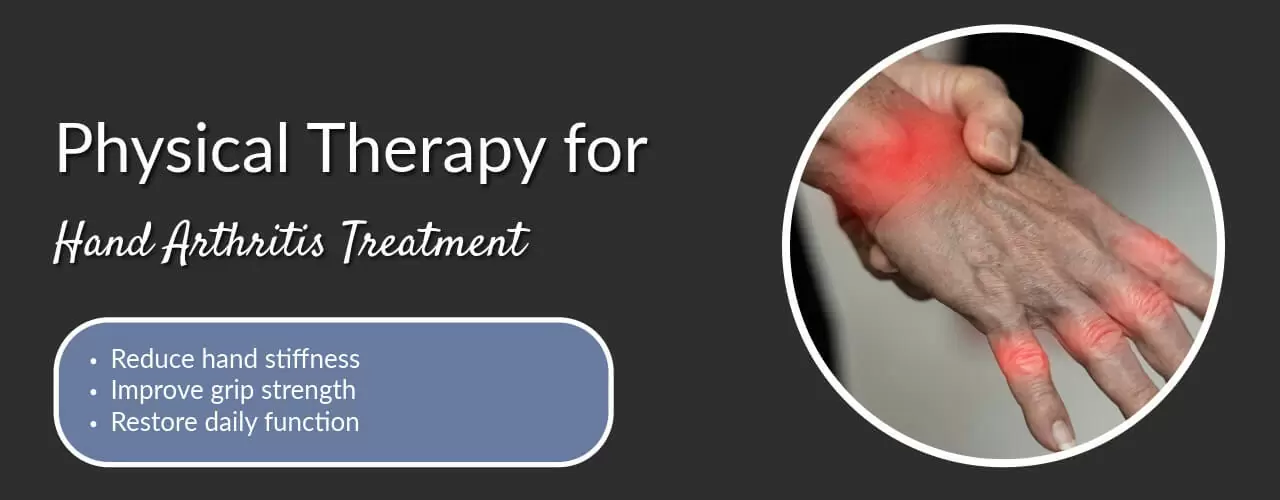
Elizabeth (not her real name) had always lived an active, hands-on life. But when everyday tasks like holding a coffee cup or turning a doorknob became painful, she knew something had changed. After a clinical evaluation confirmed osteoarthritis in both hands, her doctor recommended hand arthritis treatment through physical therapy to improve her mobility, reduce pain, and regain strength without relying solely on medication.
At Nebraska Orthopaedic Physical Therapy, Elizabeth began a customized physical therapy plan that helped her manage her symptoms and return to daily activities with confidence. This case study highlights how a focused approach to hand arthritis treatment can create measurable improvements over time.
Elizabeth’s Story: Managing Arthritis Pain
When Simple Tasks Become Difficult
Before starting physical therapy, Elizabeth reported persistent joint pain, stiffness, and swelling in her hands and wrists. Mornings were the hardest. Her fingers felt stiff for over an hour after waking, and fine motor tasks like writing or buttoning a shirt were frustrating and slow. She also avoided cooking and gardening, activities she once enjoyed, because gripping tools or standing at the counter made the pain worse.
Her condition had gradually worsened over the past year. Despite trying over-the-counter anti-inflammatory medications and splinting, her symptoms continued to limit her function. Elizabeth was frustrated and worried she might lose her independence. Her physician referred her to Nebraska Orthopaedic Physical Therapy to explore non-invasive options for managing her arthritis long term.
A Tailored Approach to Hand Arthritis Therapy
At Elizabeth’s first visit, her physical therapist completed a thorough evaluation of her grip strength, joint mobility, swelling, and functional abilities. Together, they set goals focused on pain reduction, better mobility, and improving her ability to perform daily tasks.
Her personalized treatment plan included:
Manual Therapy
- Gentle joint mobilization techniques were used to improve circulation, reduce stiffness, and increase comfort during movement.
Therapeutic Exercises
- Elizabeth learned specific range-of-motion and strengthening exercises for her fingers, hands, and forearms. These targeted small muscles support joint alignment and function.
Activity Modification Strategies
- Her therapist taught her joint protection techniques, such as using larger grips on tools and pacing activities to avoid overuse.
Home Program
- Elizabeth was given simple exercises to complete at home, along with guidance on how to use heat for stiffness and cold for swelling when needed.
Throughout treatment, her physical therapist monitored her progress closely, making adjustments as needed to match her improvement and comfort levels.
Subtle Shifts That Lead to Big Wins
Within the first three weeks, Elizabeth reported less stiffness in the morning and better tolerance for light kitchen tasks. She gradually reintroduced cooking into her routine and even resumed writing handwritten notes to friends, something she had missed dearly.
By the end of eight weeks of consistent physical therapy, she showed the following measurable improvements:
- Grip strength improved by 30 percent
- Morning stiffness reduced from over one hour to under 20 minutes
- Pain levels decreased from 6 out of 10 to 2 out of 10 during typical tasks
- She no longer needed to wear hand braces daily
- Her ability to button clothes, carry groceries, and complete household chores returned
Her physical therapist also noted increased joint range of motion and improved dexterity in both hands. Most importantly, Elizabeth felt confident and empowered to manage her symptoms on her own.
A Realistic and Effective Path to Relief
Many patients assume there is little that can be done for arthritis beyond medication or surgery. However, this case shows how hand arthritis treatment guided by physical therapy can lead to practical, lasting improvements. With a consistent and targeted approach, Elizabeth avoided more invasive treatments and returned to the activities that made her life feel full.
At Nebraska Orthopaedic Physical Therapy, we understand that arthritis affects more than joints; it changes how people interact with the world. Our team works closely with each patient to build a plan based on their goals, daily needs, and abilities.
Discover What Is Possible with Nebraska Orthopaedic Physical Therapy
If you or someone you care about is struggling with arthritis in the hands, physical therapy can provide meaningful relief and restore confidence in everyday life. Elizabeth’s story is one of many successes we see at Nebraska Orthopaedic Physical Therapy through evidence-based hand arthritis treatment.
Contact us today to schedule your evaluation and begin your path toward better function and less pain. You do not have to accept arthritis limitations as permanent. Let us help you take the first step toward better mobility and control.